 Suchen nach...
Weiche felsenfrei

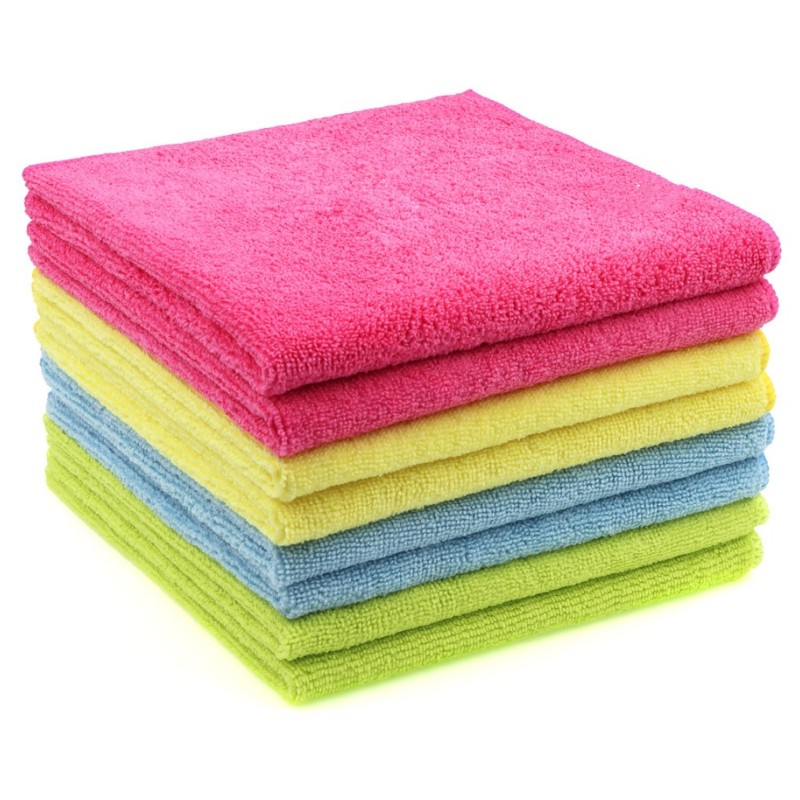
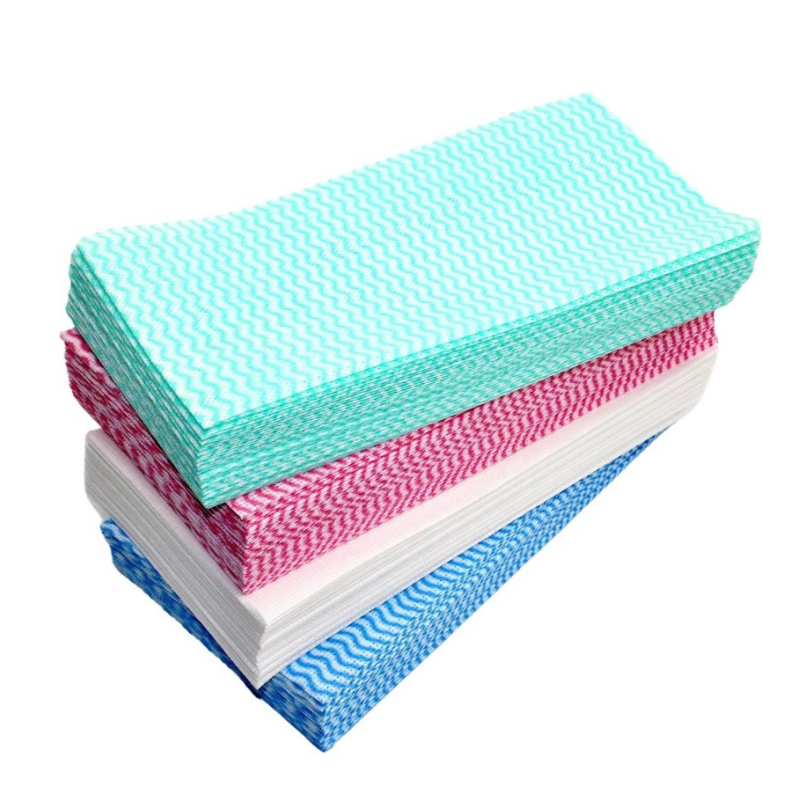
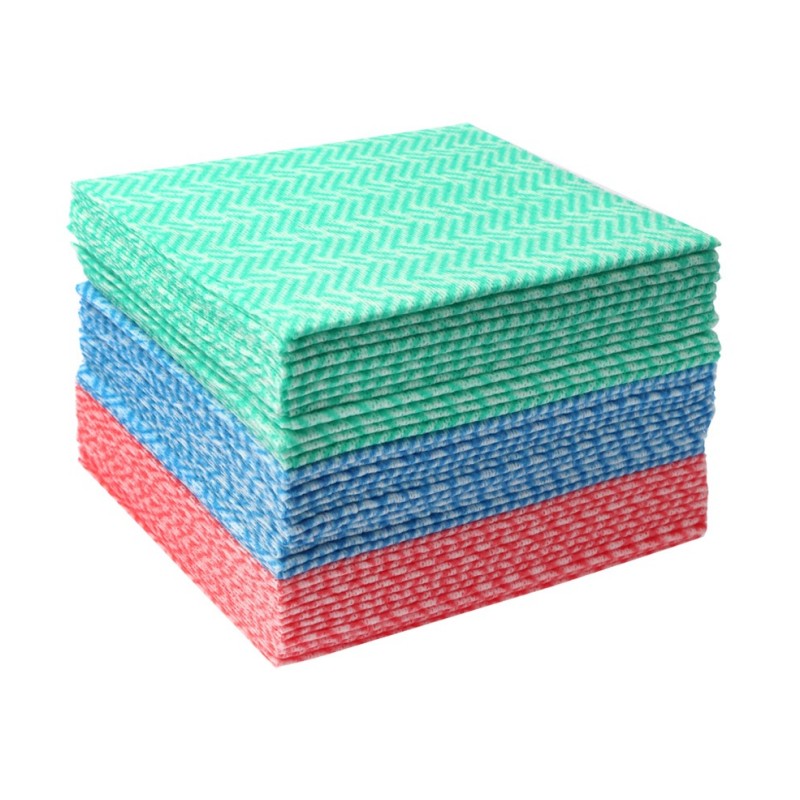
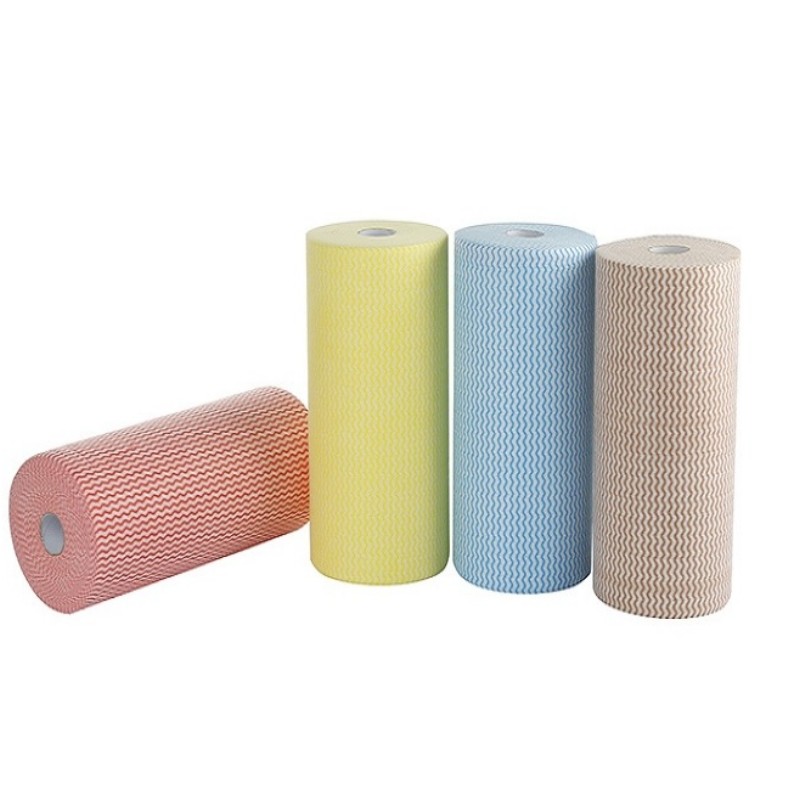
A Reinigungstuch aus Vliesstoff ist ein technisches Textil, das durch das Verbinden von Fasern durch mechanische, chemische oder thermische Prozesse statt durch Weben hergestellt wird und im Vergleich zu herkömmlichen gewebten Stoffen eine überlegene Saugfähigkeit, geringe Flusenbildung und eine gleichmäßige Oberflächenstruktur bietet. Im Gegensatz zu Baumwolllappen oder Papierhandtüchern bieten Vliestücher vorhersehbare Leistungsmerkmale, da ihre Faserzusammensetzung, ihr Flächengewicht und ihre Bindungsmethode während der Herstellung genau gesteuert werden. Diese Konsistenz macht sie zur bevorzugten Wahl in regulierten Umgebungen, in denen Partikelbildung, chemische Kompatibilität und Absorptionskapazität direkten Einfluss auf die Prozessqualität und Sicherheitskonformität haben.
Der weltweite Markt für Vliestücher übersteigt 18 Milliarden US-Dollar pro Jahr, angetrieben durch die Nachfrage aus den Bereichen Gesundheitswesen, Halbleiterfertigung, Automobilaufbereitung und Lebensmittelverarbeitung. Jede Anwendung erfordert spezifische Materialeigenschaften; Die Auswahl des falschen Wischtuchtyps kann zu Oberflächenkratzern, Lösungsmittelabbau, unzureichender Schmutzentfernung oder Kontaminationsereignissen führen, die den Kostenunterschied zwischen den Wischtuchqualitäten bei weitem übersteigen.
Vliesstoff-Reinigungstücher erhalten ihre funktionellen Eigenschaften aus der Auswahl der Basisfasern und der Verbindungstechnologie. Das Verständnis dieser Materialunterschiede ist wichtig, um die Wischleistung an bestimmte Reinigungsaufgaben und Umgebungsbedingungen anzupassen.
| Fasertyp | Saugfähigkeit | Flusenniveau | Chemische Beständigkeit | Primäre Anwendungen |
|---|---|---|---|---|
| Polyester (PET) | Niedrig | Sehr niedrig | Ausgezeichnet | Reinraum, Optik, Elektronik |
| Polypropylen (PP) | Sehr niedrig | Niedrig | Ausgezeichnet | Abwischen mit Lösungsmittel, Entfetten |
| Viskose/Viskose | Hoch | Mittel | Schlecht (Säuren/Basen) | Allzweck, Verschüttungskontrolle |
| Holzzellstoff/Polyester-Mischung | Sehr hoch | Mittel-Low | Gut | Industrielle Wartung, Druck |
| Mikrofaser (PET/PA) | Hoch | Sehr niedrig | Gut | Präzisionsoberflächen, Glas, Polieren |
Bei der Auswahl des richtigen Vlies-Reinigungstuchs müssen fünf voneinander abhängige Faktoren bewertet werden: Substratempfindlichkeit, Art der Verunreinigung, Lösungsmittelkompatibilität, behördliche Anforderungen und Gesamtkosten pro Wischvorgang. Die Optimierung über alle Dimensionen hinweg verhindert sowohl Leistungseinbußen als auch unnötige Überspezifikationen.
Umgebungen der ISO-Klasse 3–5 erfordern Wischtücher mit Partikelanzahl unter 100 Partikel ≥0,5µm pro cm² und nichtflüchtiger Rückstand (NVR) unter 0,01 mg/cm². Doppelt gestrickte Polyester- oder Mikrofaser-Spunlace-Tücher, die in entionisiertem Wasser gewaschen werden, erfüllen diese Spezifikationen. Vermeiden Sie gänzlich Materialien auf Zellulosebasis, da diese Fasern abgeben und ionische Verunreinigungen einbringen, die Halbleiterwafer und optische Beschichtungen beschädigen.
Medizinische Vliestücher müssen einer Sättigung mit quaternären Ammoniumverbindungen, Wasserstoffperoxid oder Bleichmitteln standhalten, ohne dass sie sich auflösen oder Inhibitoren auslaugen, die Wirkstoffe neutralisieren. Airlaid- oder Viskose-Polyester-Mischungen mit nassfestem Harz Behalten Sie die Integrität bei kräftigem Oberflächenschrubben bei und geben Sie gleichzeitig ein ausreichendes Lösungsvolumen ab. Überprüfen Sie die Kompatibilität mit der EPA-Registrierung, wenn Sie vorgetränkte Desinfektionstücher verwenden, da das Tuchmaterial die Wirksamkeitsvalidierung der Kontaktzeit beeinflusst.
Starke Fett-, Öl- und Kohlenstoffablagerungen erfordern eine hohe Abriebfestigkeit und Lösungsmittelverträglichkeit. Tücher aus Polypropylen oder thermisch gebundenem Polyester widerstehen der Zersetzung durch Aceton, MEK und Lösungsbenzin und bieten gleichzeitig eine ausreichende Textur für die mechanische Schmutzentfernung. Flächengewichte von 60–80 g/m² bieten ein ausgewogenes Verhältnis zwischen Haltbarkeit und Kosteneffizienz für den großvolumigen Werkstattgebrauch und übertreffen Baumwollhandtücher, die Öle zurückhalten und auf frisch gestrichenen Oberflächen Fusseln erzeugen.
Zuverlässige Lieferanten von Vliesstoff-Reinigungstüchern stellen Testdaten von Drittanbietern zur Verfügung, die die angegebenen Spezifikationen validieren. Wenn man sich ohne unabhängige Überprüfung ausschließlich auf die Marketingaussagen der Hersteller verlässt, birgt dies bei kritischen Anwendungen Risiken. Wichtige standardisierte Tests legen objektive Leistungsmaßstäbe fest.
Fordern Sie Analysezertifikate (CoA) für jede Produktionscharge an, nicht nur allgemeine Produktdatenblätter. Variation des Flächengewichts von Charge zu Charge ( Eine Toleranz von ±5 % ist typisch ) und die Gleichmäßigkeit der Bindung können die Saugfähigkeit und Partikelabgabe erheblich beeinflussen. Erstellen Sie eingehende Inspektionsprotokolle für kritische Anwendungen, einschließlich regelmäßiger erneuter Tests anhand von Basisqualifikationsproben, um Prozessabweichungen bei Lieferanten zu erkennen, bevor sie sich auf die Produktionsqualität auswirken.
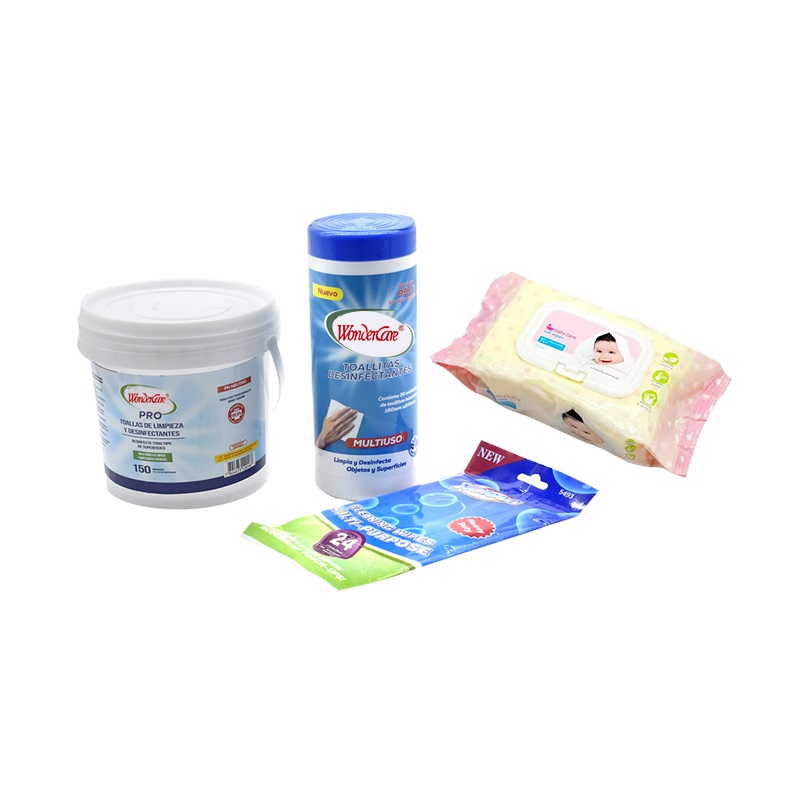
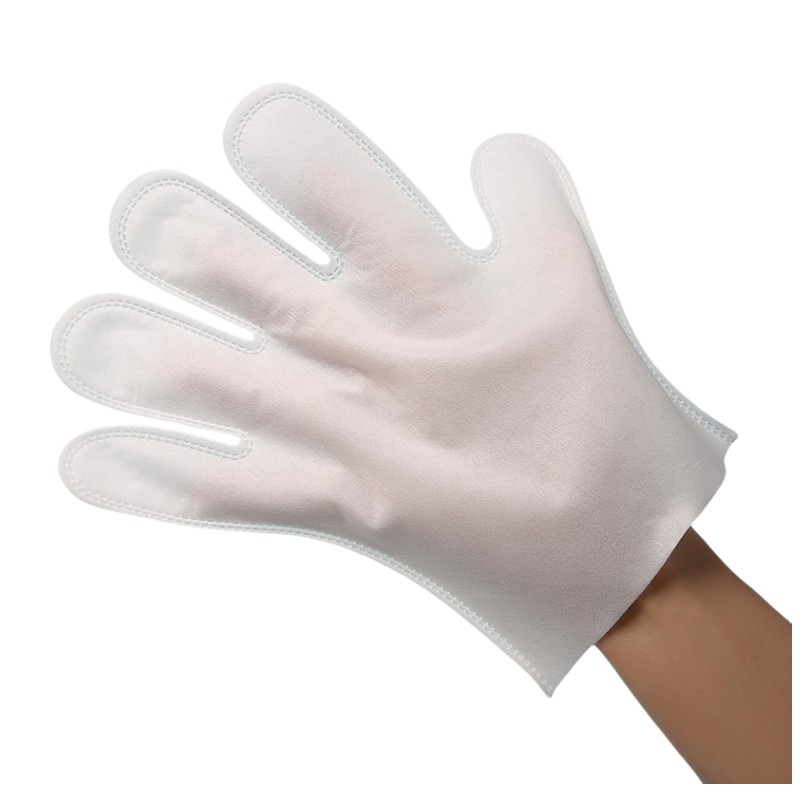
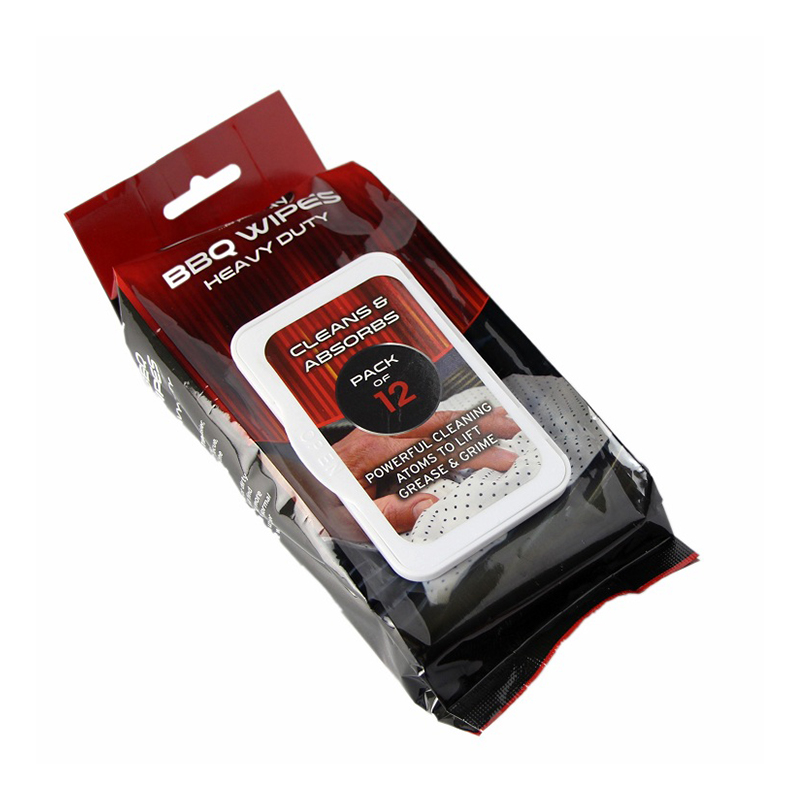
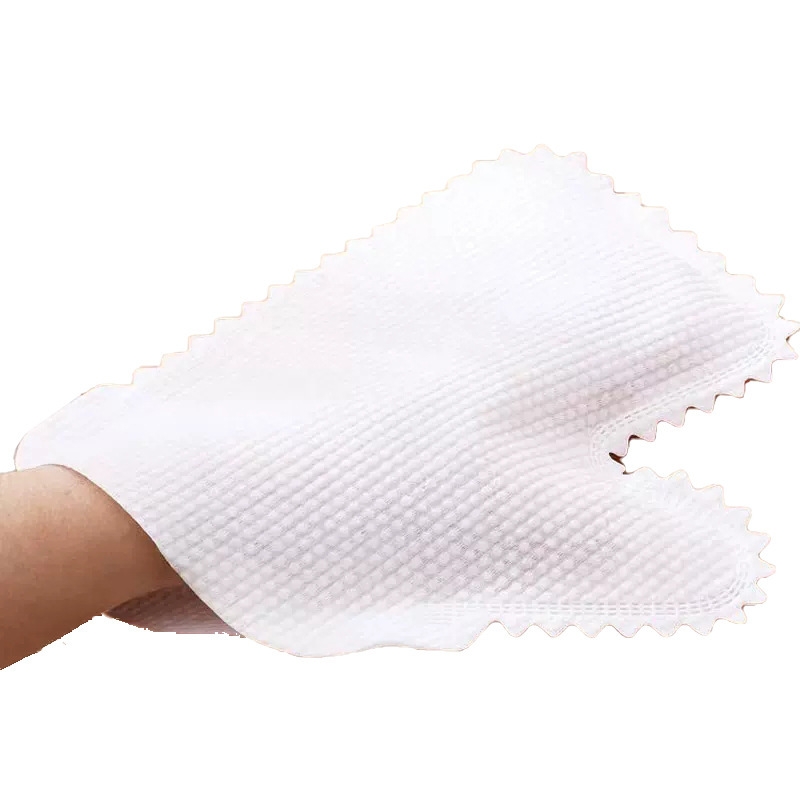

Jiaxing Hongjie Commodity Co., Ltd. is located near Shanghai and Hangzhou in Jiaxing City, Zhejiang Province, China. We are trading& manufactory company. our factory and office are in Jiaxing city.

Fabrik hinzuzufügen: 3. Stock, Bldg 3, Nr. 379 Ziyu Road, Daqiao Industrial Zone, Jiaxing, Zhejiang, China.

+86-573-82313085

+86-573-82091210

Copyright © Jiaxing Hongjie Commodity Co., Ltd.
Großhandel ohne verwobene Hersteller von Nasstüchern
Die auf dieser Website bereitgestellten Informationen sind ausschließlich für die Nutzung in Ländern und Rechtssystemen außerhalb der Volksrepublik China bestimmt.
